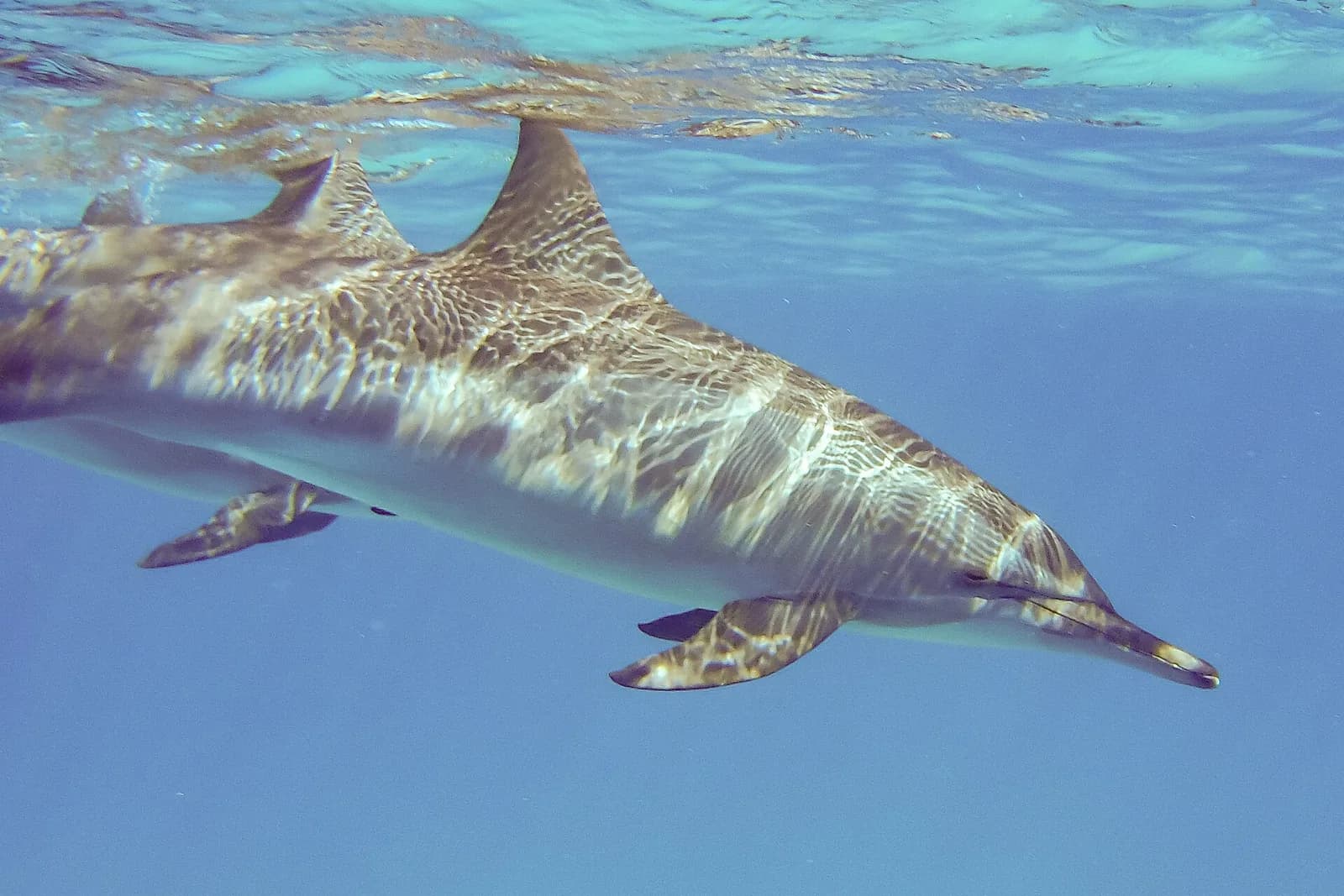

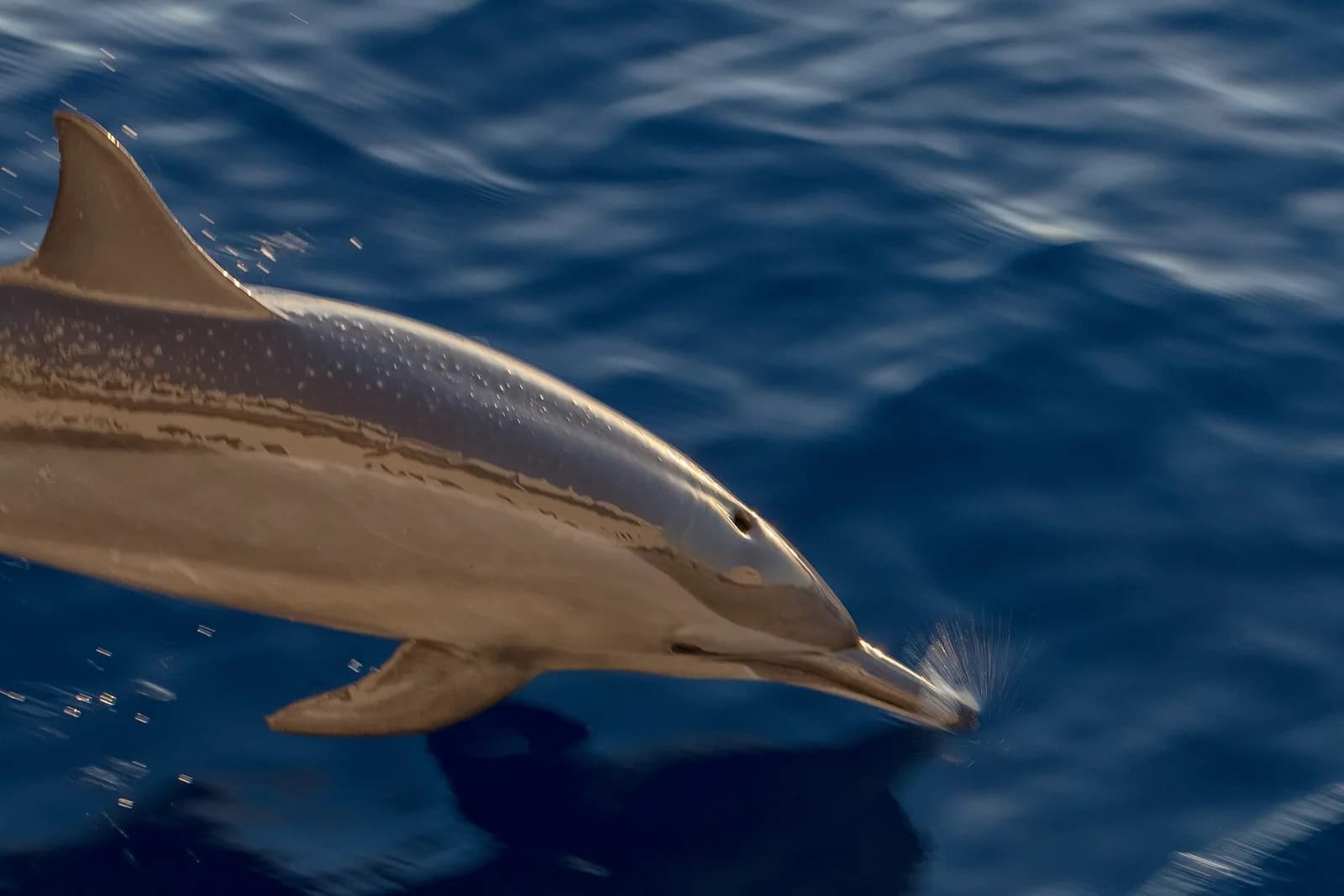
The dolphins Marsa Alam is known for are spinner dolphins, and they use two reefs here as a place to rest through the middle of the day. That single fact explains everything about how these trips work: the animals are sleeping, you are a visitor in their bedroom, and the rules are strict for a reason.
Two reefs, one pattern
Spinner dolphins hunt offshore at night and come into a sheltered lagoon at dawn to rest, socialise and stay away from sharks. Sataya and Shaab Samadai are both horseshoe reefs with lagoons that suit that perfectly, and both have resident pods that use them almost daily.
Neither is a captive experience, a feeding station or a show. On a good day the pod tolerates snorkellers at the edge of the lagoon and some of them come to look at you. On a bad day they stay at the far side, and the honest answer is that you had a boat trip to a beautiful reef.
Sataya, the dolphin reef
Sataya sits well offshore in the far south, and the run out is long enough that the day starts early. The pod there is large, often over a hundred animals, and the lagoon is big and shallow with white sand under it, which is why the photographs from this site look the way they do.
Because it is remote, it is quieter than sites closer to the resorts, and the reef itself is excellent: coral gardens, plenty of fish, and easy diving on the outer edges for those who want dives as well.
Shaab Samadai, the dolphin house
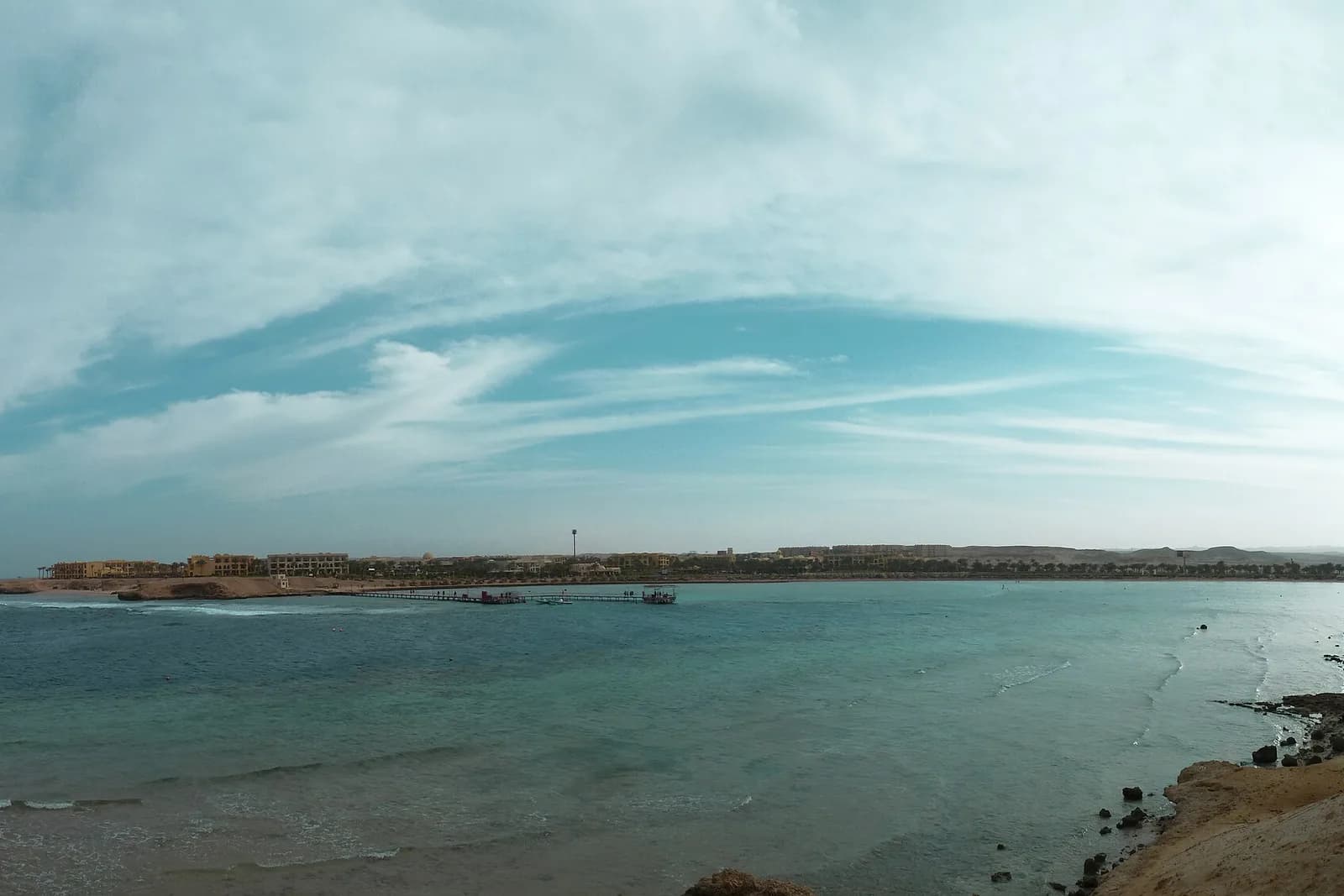
Shaab Samadai is closer to shore, about an hour by boat, and it is the site people know as Dolphin House. It is a managed protected area split into zones: one part is closed to everybody so the dolphins always have somewhere undisturbed, one is for snorkelling, and the outer reef is for diving.
The zoning is the reason the pod still uses the reef after decades of visitors, and it is enforced. It also makes for a straightforward day: you snorkel where you are allowed, you dive the outside if you want, and nobody is arguing about where the boat should be.
How the day runs
Both trips are early starts with a boat ride out, then a briefing that is mostly about the rules. Snorkellers go in from the boat or a tender in small groups with a guide, and you swim to the edge of the resting area rather than into it.
In between, there is coral to snorkel over and lunch on board. Divers on the same boat do their dives on the outer reef, so a mixed group of divers and non divers works well here, which is not true of every trip on this coast.
The rules in the protected zones
These are not our house rules. They are the conditions the reefs are managed under, and the guides enforce them.
- No entering the closed core zone, at any time, for any reason.
- Swim parallel to the pod, never towards it and never into the middle of it.
- No touching and no attempts to swim with an individual animal.
- Small groups in the water at a time, entering quietly from the surface.
- Mothers with calves are left alone, and the whole group moves away if the pod shows signs of stress.
When to go, and what to expect
The pods are resident all year and the trips run all year. Sea state decides more than season: a calm day means an easier crossing, better visibility in the lagoon and a longer time in the water, so if your week has one flat morning in it, spend it here.
Go in the morning, and go with realistic expectations. You are visiting wild animals that are asleep, and the good version of this day is quiet, distant and genuinely moving, not a swim alongside a dolphin for an hour.
Go early, stay quiet
Book Sataya or Shaab Samadai with a guide who runs these reefs weekly, and take the calm morning if your week gives you one.
Book Now