
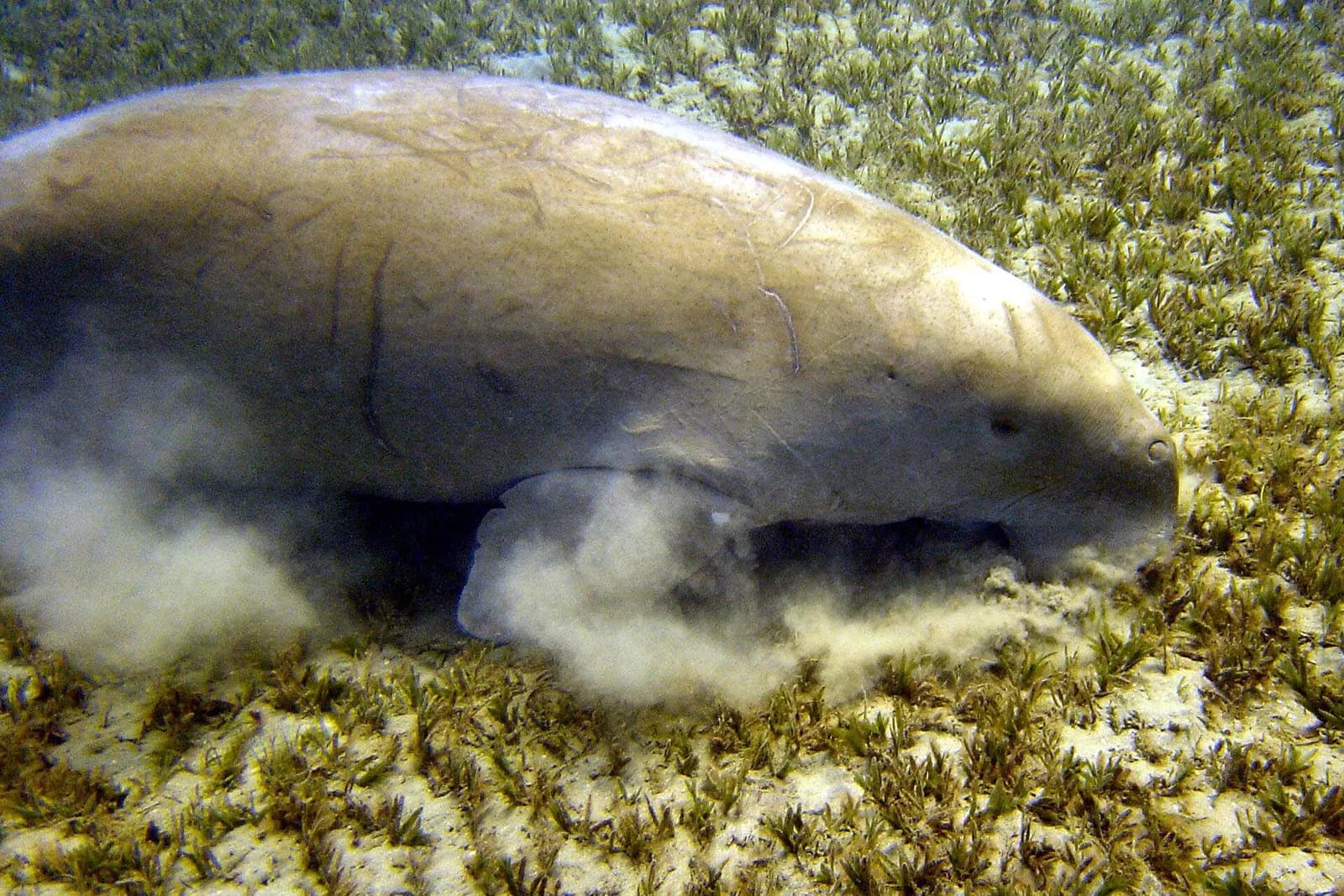
A dugong in Marsa Alam is the reason a lot of people book this coast rather than any other, and it is also the thing most often oversold to them. Two bays here genuinely have them, both are shallow and easy, and the animals are wild and free to be somewhere else. Here is what we tell guests before they get in the water.
What you are actually looking for
A dugong is a marine mammal that eats seagrass, weighs as much as a small car and moves like it has nowhere to be. They are not dolphins and they behave nothing like them: a dugong grazes head down in the meadow, surfaces every few minutes for a breath, and largely ignores you if you stay calm and still.
That is the whole trick. The seagrass is why they are here, and it only grows in shallow, sheltered, sandy bays, which is why the sites that hold them are so few and so specific.
Abu Dabbab, the easy one
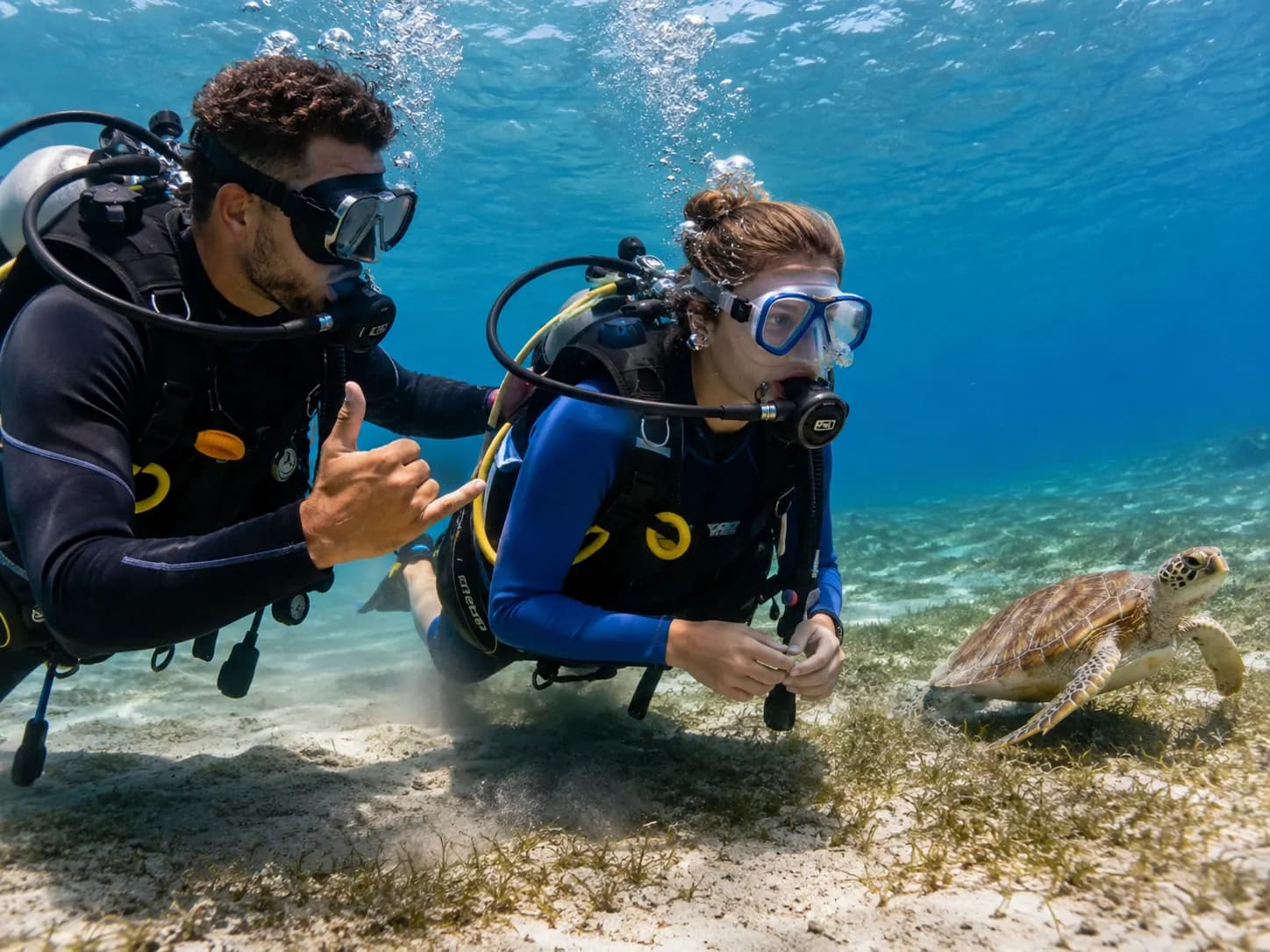
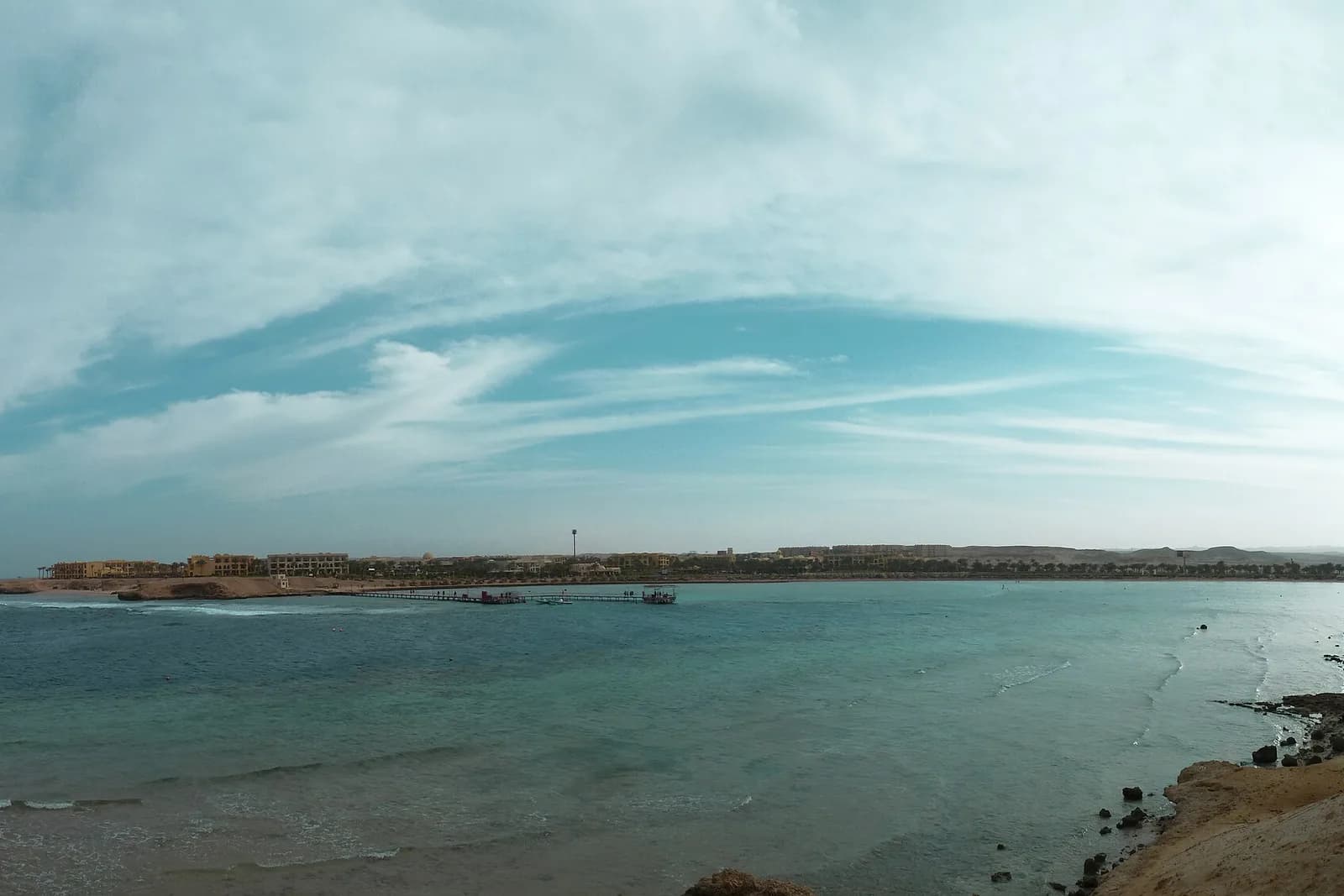
Abu Dabbab is a wide sandy bay north of Marsa Alam with a big seagrass meadow, and you walk in from the beach. There is no boat, the whole dive is shallow, and green turtles are close to a certainty: they graze the same meadow all day and are entirely used to people.
It is the bay with the resident dugong, and it is the one people mean when they say Abu Dabbab. Because it is easy and famous it is also the busiest, so we go early. It is a good site for newer divers and for anyone carrying a camera, since there is nothing to fight and nothing deep.
Marsa Mubarak, the consistent one
Marsa Mubarak is a shallow bay just north of Port Ghalib where the seagrass runs out to coral fingers and small pinnacles. We reach it by boat, the ride is short, and both dives are gentle enough for any certified level.
If you ask our Marsa Alam guides where they would go for a dugong on one day and one dive, most of them say Mubarak. It sees fewer people than Abu Dabbab, the meadow is healthy, and the reef fingers give you something to dive when the dugong is not at home.
Dive or snorkel?
Snorkelling is genuinely better for this. Dugongs feed in three to eight metres, which is snorkelling depth, and a snorkeller floating quietly at the surface disturbs them less than a diver blowing bubbles underneath them.
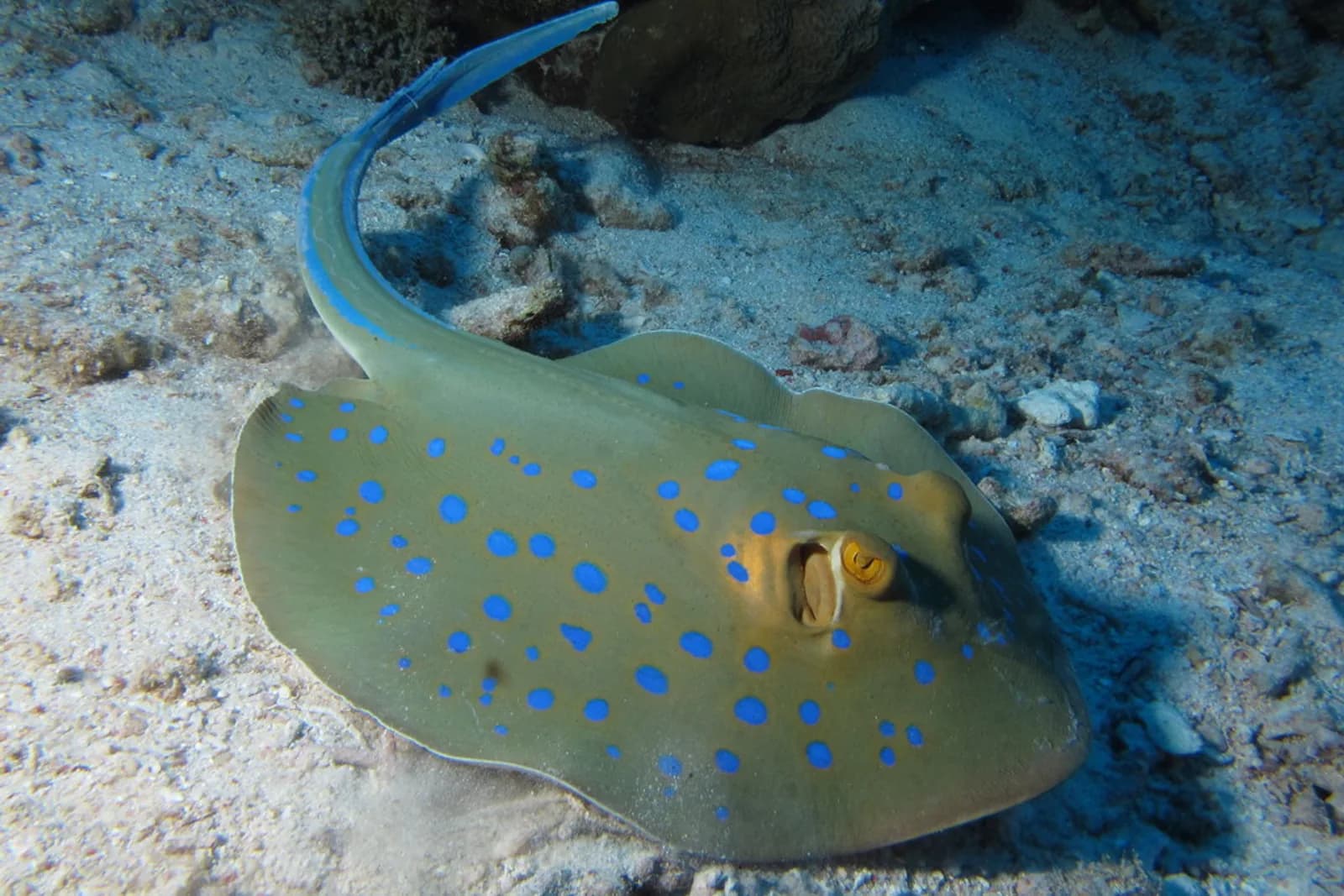
Diving has its own case: you get the turtles, the rays on the sand and the reef itself, and you can stay with a feeding animal longer without a breath hold. We run both at both bays, and a lot of guests do the dive day and then come back with a mask and fins.
The rules, and why they are not optional
These bays are protected areas and the rules exist because animals that are harassed leave. A dugong that abandons a meadow does not come back next week.
- Keep three metres away, and never get between an animal and open water.
- No touching, ever, and no riding, which people still try.
- No flash photography. It is the single fastest way to end a sighting.
- No chasing, no encircling, and no fins over the seagrass, which is the food the animal came for.
- Follow the guide's signal to leave. Twenty quiet minutes is more than most people get.
What your actual chances are
We promise the site, never the sighting, and any centre that promises you a dugong is either lucky or lying. Over a season, guests who dive or snorkel these two bays see a dugong often enough that it is worth the trip, and turtles on the same day are nearly guaranteed.
The way to improve the odds is boring and it works: go early, go on a calm day, take two chances on different days rather than one, and stay quiet in the water. Guests who do all four rarely go home without one.
Two bays, one calm morning
Book an Abu Dabbab or Marsa Mubarak day with a guide who dives these meadows every week, and go early.
Book Now